
As you know, these indoor plants are a favorite of many people. It is beautiful, elegant and looks so beautiful with long stems that hang beautifully over the basket known as wandering jew plant care.
It’s part of the spiderwort family and honestly, it’s one of the easiest and most rewarding plants you can start with.
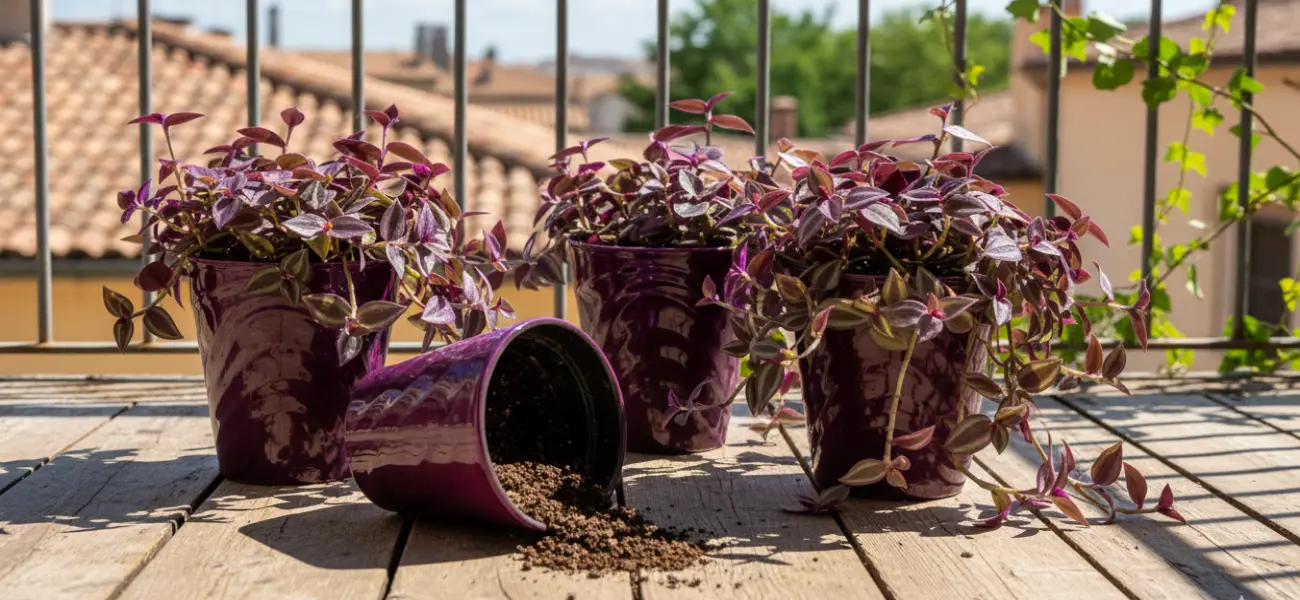
This plant originally comes from Mexico, but it can’t grow so well in cold weather. Temperature below 13C is too much for this. So, keep it indoors most of the year. But in summer, It gets so good to put mine on the balcony for fresh air, like many other plants it grows best in sunlight or in little space. But direct sun that can damage and burn it leaves.
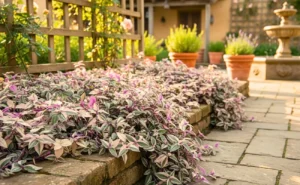
The main attraction of this plant is its leaf shape which attracts the most. Most plant varieties contain bright green, but there are many other beautiful types out there. Some have pink, white and longer silver streaks. It produces small white or pink flowers in the beginning of summer season, but its leaves are the only one which make this plant so special and elegant. This is the some brief info how do you care for a wandering jew plant
Getting Started: Planting Your New Friend
If you really want to keep your wandering Jew plant cared for for more than one season, make sure to keep it in a cold, mild place in a pot. It is a very good option to ground during summer, but it will never survive in hard cold, the best place to grow these indoors is indoors.
Here is another guide for Wandering Jew Plant Care:
The Pot:
It should have drainage holes, you also can add clay pebbles, broken pieces of pottery at bottom to help extra water to drain it out.
The Soil:
Use a light. Usually take regular all-purpose soil and mix in a little sand so water can easily flow through it.
The Spot:
It loves to be in bright light but not in shining direct light. Keep it in a comfy room temperature 20 C to 24 C. When the weather goes up, you can have it placed on the bright side but in a shaded spot.
Keeping It Happy: Easy-Peasy Care For Wandering Jew Plant
I recommend this plant to everyone who says they “kill all their plants.” It’s seriously that tough.
If you forget to water it regularly in a week, it still handles summer heat like a pro.
Watering:
During its peak growing season (spring and summer), whenever you feel its top notch soil feel dry, just to keep its soil lightly moist, water it regularly. But in winter, cut way back and dry it out a little more between watering.
Food:
To keep its attractive color vibrant, give it a dose of liquid houseplant fertilizer once a month in summer and spring. Don’t feed it at all in winter when it is not really growing.
Secret to Bushy Plants:
It can be a little “leggy”, it means stems get along with just leaves at the end. Pinch or snip the tips of stems right above a leaf, it will encourage it to branch out from the main point, making the whole plant look fuller and beautiful.
How to make more plants(It is Super Easy)
Propagating is almost effortless and easy.
The best is to do it with water:
- Cut 3 to 4 inches of stem.
- Remove leaves which would sit underwater.
- You will observe little roots will appear in a week.
- Put the cutting stems in a glass of water in a bright spot, not in shiny sunlight.
- When the root gets 1 to 2 inches in length, plant the cutting in the same soil which you use for the main plant.
- Care of wandering jew plant is not difficult, just keep for some hours in sunlight but not for long time
You can also don’t add any water and plant cuttings directly into soil, They root easily in any way.
Troubleshooting: Means any Pests?
The best thing is that wandering jew plant care is tough. The only issue you can encounter is to have aphids, and it only happens when plants are placed outside in summer. It can be done using insecticidal soap or neem oil so it can be solved faster and better.
Some of favorite Varieties of wandering jew plant care
This is the fun part! The Tradescantia family is huge and full of stunning characters. Here are some famous varieties you will love for sure:
Blushing Bride:
Its leaves have beautiful and stunning shades of green, white, and soft pink color. Its name is as sweet as its name.
Purple Heart:
It is easy to recognize this garden plant, but this version is stunning – with a mixture of rich purple, pink and green color.
Sitara:
The best thing about this plant is it does not trail. Instead, it grows in rosette shape, its color is gentle and really pretty.
Sillamontana:
It is also called “White Velvet” , its leaves covered in fuzzy white hairs. It is super soft looking and good to touch.
Quadricolor:
This one is a show off of the group. Its leaves consist of bold stripes of silver, green, pink and purple and it really looks elegant. Most people do not know about this care for wandering jew plants.
Roxo:
Another upright growing type of flower. Its leaves look so rich purple-pink. And color becomes stronger as the weather gets old.
Wandering jew flowering :
It is also known as wandering dude and Inch plant It produces small and delicate blooms Their appearance of the flowers varies on specific species like silver inch plant, small-leaf spiderwort and pure heart.
creeping jew plant:
It features tiny, fleshy and give looks of heart shaped leaves which are less than an inch long. It produces naturally white flowers at the tip of the stems
My Biggest Tip: Give It Some Fresh Air!
I have to let you in on a secret I discovered: my wandering jew plant care has never looked better than when I started putting them outside for the summer. This is the best article where you get to know how to care for a wandering jew plant ?
From late spring to early fall, you can move all of your Tradescantias outside. The change is obviously and genuinely being dramatic, if we see it in day and light. Once plants get the fresh air, it improves a lot. You notice that plants get larger in size, and stems become sturdier and more resilient.
But here is the most important heads-up: if you want to move plants outside, make the mistake of placing them in sunlight, it leads to burnt leaves.
A quick word of warning: If you try this, don’t just shove them into full sun on day one. They’ll get sunburned! You need to “harden them off.” Start by placing them in full shade for a few days, then move them to a spot with dappled light, and finally, into their final sunny/partly-shady spot over the course of a week or two.
My mom even plants some of the hardier types directly in her garden. They die back in the winter, but surprise her by popping right back up in the spring! Just a small disclaimer: it loves to grow in Southwest, where winters stay pretty mild. But it will get ruined in a place that gets harsh winters or in snow. So always check the hardiness of the variety you have before wandering jew plant care.