

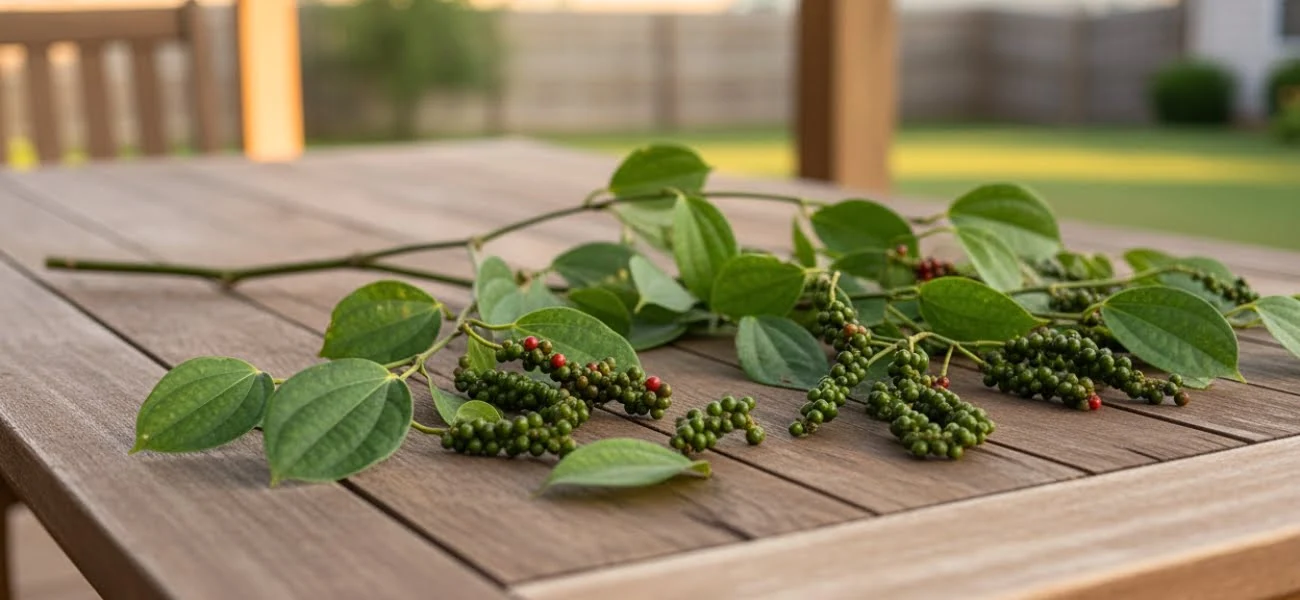
Peppercorn plant – A Complete Guide to Planting & Caring for Black Peppercorn plant
Introduction
The Peppercorn plant is one of the important crops in Southeast Asia that has been used as a main spice in cooking for centuries. It not only provides a unique spicy taste and aroma, but also has high economic value. Peppercorn plants are widely planted across the world due to the increasing demand for domestic and international markets.
In particular, the black peppercorn plant is the main choice because of its wide use in cooking and the food industry. This article will examine in depth the Peppercorn plant, how to plant, care, yield, uses, and its economic potential.
Back in the 15th century, it was once called “black gold”. Why? The price at that time was indeed very expensive, equivalent to gold! Traders brought it across sea and land, until it finally spread all over the world and became a hot topic.
Interestingly, Now, many countries are one of the main producers of peppercorn internationally, especially for black pepper and white pepper. Great, right.
Characteristics of the Peppercorn plant: A Creeper That Diligently Bears Fruit
If you want to know, this Peppercorn plant is actually a type of plant that likes to climb. It needs support (such as wood or a pole) to grow lushly.
Its leaves: Oval in shape and dark green in color.
The flowers: Small, greenish-white, not very noticeable.
The fruit: This is the most valuable part! Pepper fruits grow in clusters on a single stalk. These are the seeds that we pick and process into different types of pepper — whether black pepper, white pepper, or green pepper, they all come from the same fruit, just processed differently.
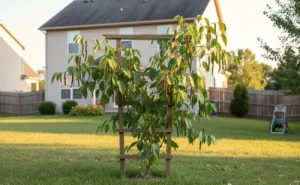
Advantages of Growing Peppercorn plant
High Economic Value
Black peppercorn plant market price is always stable and it demand globally increases day by day
Long-Term Crop
With proper care it can live up to almost 15 years
Wide Market
Used in food, traditional medicine, and even modern industries.
Hardy
Suitable for growing in tropical climates like Malaysia, Indonesia and many states in USA
How to Plant Peppercorn?
1. Site Selection
- A well-drained area.
- Good soil and rich in organic matter.
- Some type of tropical climate with little rain
2. Seedling Preparation
- Seedlings are taken from healthy stem cuttings.
- Cuttings 30–40 cm long are usually used.
3. Tree Support
- These kinds of trees need a pole or support tree such as hardwood.
- Support is important for the tree to climb well.
4. Planting Distance
- The ideal distance is 2.5m x 2.5m between each tree.
- Provides enough space for growth and makes care easier.
Peppercorn plant Care
1. Watering
Regular Watering is so necessary during the summer and very high dry season
2. Fertilization
- Organic fertilizers like compost or manure are very good for better growth
- NPK chemical fertilizers are used to increase yields.
3. Pruning & Training
- Pruning is done so that the tree grows in a balanced manner.
- The main stem needs to be trained to climb up a support.
4. Controlling of pest and disease
- Major diseases: leaf blight, root rot and anthracnose
- Control: use fungicides, and practice a clean planting system.
Yield & Harvesting of Trees
- The tree begins to bear fruit after 2–3 years.
- Each stalk contains dozens of peppercorns.
- The fruit is picked when it turns from green to yellowish red.
Peppercorn plant process
- Green fruit is picked.
- Sun-dried in the sun until it turns black and wrinkled.
White Pepper Process
- The ripe fruit is soaked in water for several days.
- The outer skin is removed; the white seeds are dried.
- In this way, we get black pepper and white pepper which are high-value commodities.
Uses of Peppercorn Plant Trees
1. In Cooking
It is the main source of spices in curries, soups, and dishes.
This gives it a unique spicy flavor.
2. In Traditional Medicine
Many people used this to treat stomach problems, colds, and increase appetite.
3. Food & Beverage Industry
Pepper extract is used in sauces, ketchups, seasonings, and fast foods.
Pepper is not just a spice for cooking, but it is also one of the most valuable export sources for the countries.
For smallholders, this Peppercorn plant crop is like a ‘gold mine’. Many of them can earn a stable and good income by growing pepper. It is true that the price sometimes goes up and down – sometimes high, sometimes a little low – but global demand is always there. That is why many consider this pepper crop to be a profitable long-term investment.
Challenges of Growing Peppercorn plant: Not as Easy as You Think
But don’t think that growing pepper is easy! There are also pitfalls and pitfalls. Among the challenges that farmers face:
Disease Attack: Root rot disease can strike and cause huge losses. A healthy garden can be destroyed if not properly maintained.
High Maintenance Cost: To produce quality pepper, you have to be diligent. Buying fertilizer, pesticides, and support poles already requires a lot of capital.
Dependent on the Global Market: Prices are greatly influenced by demand from abroad. If global production is high, prices may fall. So, farmers must always be aware of the world market.
Tips to Become a Successful Peppercorn Plant Farmer
If you are interested in trying to farm peppers, here are some tips that can be used as a guide:
Start with the Best: Use quality seedlings from a trusted source. This is an important principle – if you start well, the results will be more guaranteed.
Choose an area with fertile soil and suitable for peppers. Do a little research or ask around, what type of soil plants like best.
Take Care of seasonal diseases: If a tree is seriously ill then don’t wait to treat it. Try to control diseases from the beginning with regular inspections. Prevention and best care is better than cure!
Practice the Right Way of Farming on a regular basis: Follow Good Agricultural Practices (GAP). The right way of planting, fertilizing and managing can really make a difference in results.
Conclusion: Peppercorn plant, From Past to Present
This plant is not just an old story about ‘black gold’. It is still very relevant and profitable to this day.With a never-ending global demand, especially for black pepper, this crop can be a stable source of income for the long term. Either may you be a farmer or a businessman looking for investment, pepper farming still offers opportunities.